
Uncategorized
Nutritional Value and Health Benefits of Different Mushrooms
Nov
Mushroom Nutrition Highlights: Calories, Protein, and Fiber
- Value and Health Benefits, Low in calories: The 11 mushroom varieties featured in this article contain between 30 and 46 calories per 100 grams. Therefore, they offer a simple way to add flavor, texture, and volume to your meals without significantly increasing your calorie intake.
- A modest source of protein: Although mushrooms provide some protein, they cannot replace major protein-rich foods. In fact, the varieties in this comparison contain approximately 2.2–3.5 grams of protein per 100 grams.
- A source of dietary fiber: Mushrooms also contain carbohydrates, including dietary fiber. Among the varieties discussed, lion’s mane and shiitake stand out for their higher fiber content. Meanwhile, beech, maitake, and king oyster mushrooms also provide useful amounts of fiber.
- UV exposure can increase vitamin D: Unlike ordinary mushrooms, those exposed to ultraviolet (UV) light can contain higher levels of vitamin D2. Therefore, check product labels to see whether manufacturers have UV-treated the mushrooms or enhanced their vitamin D content.
- Research continues to explore their health benefits: Although studies suggest that eating more mushrooms may be associated with a lower risk of certain cancers, researchers still need stronger evidence to establish a direct link. For now, enjoy mushrooms as part of a balanced diet rather than treating them as medicine
Mushrooms add a rich, savory umami taste that can transform everyday dishes into more flavorful and satisfying meals. In this guide, we explore 11 popular varieties, from white button to lion’s mane, comparing their calories, protein, carbohydrates, and fiber. We also highlight their potential health benefits and share insights from registered dietitians to help you understand which nutritional facts matter most.
Are Mushrooms a Healthy Food Choice?
Yes! Mushrooms offer several nutritional benefits and make a valuable addition to a balanced diet. According to MyFitnessPal dietitian Katherine Basbaum, MS, RD, mushrooms contain few calories, provide modest amounts of protein, and supply carbohydrates and dietary fiber. Additionally, their rich umami flavor adds depth to meals and makes everyday dishes more enjoyable. Value and Health Benefits
How to Include Mushrooms in a Balanced Diet
Although mushrooms offer plenty of nutritional value, they should complement other nutritious foods rather than serve as the main source of nutrients in your meals. For example, you can combine them with eggs, tofu, beans, chicken, pasta, soups, stir-fries, or grain bowls.
Track Your Meals and Nutritional Intake
Furthermore, using MyFitnessPal to track your favorite meals can help you understand how mushrooms affect their overall nutritional content. By monitoring calories, protein, carbohydrates, and fiber, you can make more informed food choices and maintain a balanced eating routine.

How to Cook and Enjoy Different Mushroom Varieties
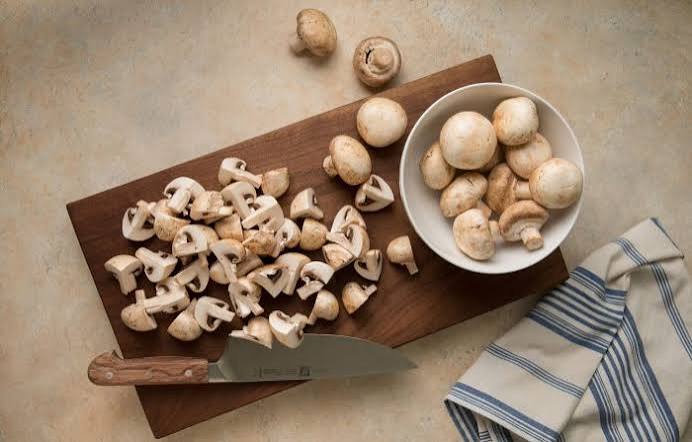
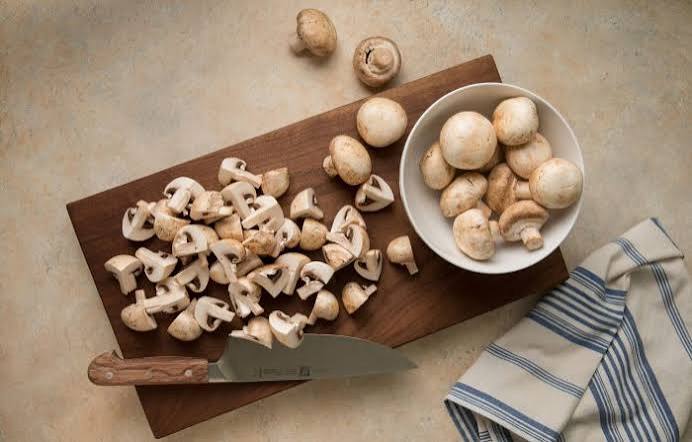
White button, crimini, and portabella mushrooms are among the most versatile options for everyday cooking. For instance, you can easily incorporate them into omelets, pasta dishes, tacos, soups, and oven-roasted meals. Moreover, portabella mushrooms have a firm, meaty texture, making them an excellent choice when you want a heartier alternative to other ingredients.

Meanwhile, shiitake, oyster, and king oyster mushrooms offer a richer, more pronounced savory flavor. As a result, they work particularly well in stir-fries, noodle dishes, soups, and grain bowls, where they add extra depth and texture.
For something a little different, consider trying enoki, beech, pioppini, maitake, or lion’s mane mushrooms. Each variety brings its own unique texture and cooking qualities. For example, enoki mushrooms have delicate stems, so add them toward the end of cooking to preserve their texture. Similarly, maitake mushrooms feature delicate, frilly edges that turn wonderfully crispy when roasted or sautéed. Lion’s mane, on the other hand, has a soft, tender texture and a mild flavor that many people compare to seafood.
Potential Health Benefits of Mushrooms
1. Mushrooms Add Flavor and Volume Without Many Calories
Mushrooms offer a simple way to make meals more filling and flavorful without significantly increasing their calorie content. According to the nutritional data, the 11 varieties in this guide contain between 30 calories per 100 grams for crimini mushrooms and 46 calories per 100 grams for king oyster mushrooms.
Therefore, mushrooms can be particularly useful if you enjoy generous portions or want to include more nutrient-rich plant foods in your daily meals. For example, try adding sautéed mushrooms to scrambled eggs, pasta sauces, tacos, rice dishes, or grain bowls. This way, you can enhance the flavor, texture, and overall volume of your meals without adding many extra calories.
2. Mushrooms Offer a Small Amount of Protein
Although mushrooms contain protein, their contribution remains relatively modest compared with other protein-rich foods. Among the varieties discussed, beech and maitake mushrooms provide approximately 2.2 grams of protein per 100 grams, while pioppini mushrooms contain the highest amount, at 3.5 grams per 100 grams.
Therefore, mushrooms can contribute a little extra protein to your meals. However, they should complement rather than replace more substantial protein sources such as beans, tofu, eggs, fish, poultry, Greek yogurt, and lean meats.
3. Mushrooms Supply Carbohydrates and Dietary Fiber
Besides protein, mushrooms also contain carbohydrates, including dietary fiber. Unlike most other carbohydrates, fiber passes through the small intestine without complete digestion. As a result, it helps support regular bowel movements and promotes digestive health.
According to the FDA, adults should aim for approximately 28 grams of dietary fiber daily based on a 2,000-calorie diet.

Furthermore, some mushroom varieties stand out for their particularly high fiber content. Lion’s mane provides approximately 4.4 grams of fiber per 100 grams, while shiitake contains around 4.2 grams. Similarly, beech, maitake, and king oyster mushrooms each offer at least 3 grams of fiber per 100 grams.
Consequently, including different mushroom varieties in your meals can help increase your overall fiber intake while adding flavor and nutritional variety to your diet.
4. UV-Exposed Mushrooms Can Help Boost Vitamin D Intake
One particularly interesting nutritional benefit of mushrooms is their ability to provide vitamin D2. However, their vitamin D content varies considerably depending on how much ultraviolet (UV) light they receive. In fact, some mushroom producers expose their products to UV light to increase their vitamin D2 levels.
Vitamin D plays several important roles in the body. For instance, it helps your body absorb calcium, supports strong and healthy bones, and contributes to normal muscle and immune system function.
According to dietitian Katherine Basbaum, ordinary mushrooms and UV-exposed varieties can have significantly different vitamin D levels. For example, half a cup of raw portabella mushrooms contains approximately 0.1 micrograms of vitamin D, whereas the same serving of raw, sliced white mushrooms treated with UV light provides around 9.2 micrograms.
Therefore, if you want to increase your dietary vitamin D intake, consider checking product labels for mushrooms that have undergone UV treatment or contain added vitamin D.
5. Mushrooms Contain Bioactive Compounds That Continue to Attract Scientific Interest
Beyond their nutritional value, mushrooms contain various bioactive compounds that researchers continue to investigate for their potential health benefits. For example, a 2021 systematic review and meta-analysis examined the relationship between mushroom consumption and cancer risk. The researchers found an association between higher mushroom intake and a lower overall risk of cancer.
However, these findings do not establish that eating mushrooms prevents cancer. The review relied on observational studies, which have certain limitations. For instance, differences in how researchers collected dietary information, selected participants, and adjusted for other factors could have influenced the results.
Ultimately, mushrooms can contribute to a nutritious, balanced eating pattern. Nevertheless, it is important to view them as part of a healthy diet rather than a miracle food or a substitute for medical treatment.
Frequently Asked Questions (FAQs)
Do Mushrooms Contain Protein?
Yes! Mushrooms provide a modest amount of protein, although the quantity varies depending on the variety. For example, beech and maitake mushrooms contain approximately 2.2 grams of protein per 100 grams, while pioppini mushrooms provide around 3.5 grams per 100 grams.
Therefore, adding mushrooms to your meals can help increase your overall protein intake. However, they are not considered a particularly high-protein food, so combine them with other protein sources such as eggs, beans, tofu, fish, or chicken for a more balanced meal.
Do Mushrooms Contain Carbohydrates?
Yes! Mushrooms contain carbohydrates, although the amount varies among different varieties. For example, crimini mushrooms provide approximately 4.0 grams of carbohydrates per 100 grams, while king oyster mushrooms contain around 8.5 grams per 100 grams.
Are Mushrooms a Good Source of Fiber?
Yes, mushrooms provide dietary fiber, which supports healthy digestion and regular bowel movements. However, their fiber content depends on the variety. Among the mushrooms discussed, white button mushrooms contain approximately 1.7 grams of fiber per 100 grams, while lion’s mane mushrooms provide the highest amount, at around 4.4 grams per 100 grams.
Which Mushroom Variety Contains the Most Protein?
Among the 11 varieties in this guide, pioppini mushrooms rank highest in protein, providing approximately 3.5 grams per 100 grams. Crimini mushrooms come next, with around 3.1 grams per 100 grams. Therefore, pioppini mushrooms offer slightly more protein than the other varieties compared.
Are Mushrooms Low in Calories?
Yes! Most mushrooms contain relatively few calories, making them a great addition to a balanced diet. In this comparison, the 11 varieties provide between 30 and 46 calories per 100 grams. Consequently, you can enjoy their rich flavor and satisfying texture while keeping your overall calorie intake relatively low.
Are Mushrooms Low in Calories?
Yes! Mushrooms are generally low in calories, making them an excellent addition to a balanced eating plan. Across the 11 varieties featured in this guide, calorie content ranges from approximately 30 calories per 100 grams for crimini mushrooms to 46 calories per 100 grams for king oyster mushrooms. As a result, mushrooms offer a flavorful way to add volume to meals without significantly increasing calorie intake.
Do All Mushroom Varieties Contain Vitamin D?
No. Not all mushrooms provide the same amount of vitamin D. Their vitamin D content largely depends on their exposure to ultraviolet (UV) light. In particular, UV-treated mushrooms can contain considerably more vitamin D2 than varieties that receive no UV exposure.
For example, half a cup of UV-exposed white mushrooms provides approximately 9.2 micrograms of vitamin D, whereas the same serving of raw portabella mushrooms contains only about 0.1 micrograms. Therefore, check product labels if you want to choose mushrooms with higher vitamin D content.
What Does Umami Mean?
Umami refers to a savory taste that people often describe as rich, hearty, brothy, or meat-like. Alongside sweet, sour, salty, and bitter, it represents one of the five basic tastes.
Furthermore, certain naturally occurring compounds, including glutamate and specific nucleotides, contribute to this distinctive flavor. This explains why mushrooms can add depth, richness, and a more satisfying taste to everyday meals.
Final Thoughts: Why Mushrooms Deserve a Place in Your Diet
Mushrooms are versatile, nutritious, and easy to incorporate into a wide variety of meals. Although they do not provide as much protein as other protein-rich foods, they still contribute small amounts of protein, carbohydrates, dietary fiber, and other valuable nutrients. Additionally, certain varieties can supply vitamin D2, particularly when producers expose them to ultraviolet (UV) light.
Ultimately, the best mushroom variety depends on your nutritional goals and cooking preferences. Choose everyday varieties for convenient meal additions, explore specialty mushrooms when you want unique flavors and textures, and consider UV-exposed options if you want to increase your vitamin D intake.
Looking for a simple way to improve your eating habits? Try adding your favorite mushroom recipes to MyFitnessPal. Tracking your meals can help you understand their calorie content and monitor how much protein, carbohydrates, and fiber you consume while making healthier food choices.
