
Uncategorized
Why Ketamine Is Gaining Popularity Among Young Adults
Nov
Why Ketamine Is Gaining Popularity Among Young Adults, Ketamine has been part of the recreational drug scene for decades, appearing at clubs, parties, festivals, and music events. However, its use has attracted growing attention as more teenagers and young adults encounter the drug worldwide. Despite its relatively low cost, ketamine carries serious health risks and can lead to dangerous physical and psychological consequences.
What Is Ketamine?
Medical Uses of Ketamine
Ketamine hydrochloride is a powerful medication that doctors use in anaesthesia and pain management. Since the 1970s, medical professionals have relied on it for specific clinical purposes. Under carefully controlled conditions, trained healthcare providers administer ketamine to induce sedation, support general anaesthesia during surgical procedures, and manage certain types of pain.
Ketamine in Veterinary Medicine
Ketamine also plays an important role in veterinary care. For example, veterinarians use it as an anaesthetic and sedative when horses and other animals need medical examinations or surgical procedures. In these settings, trained professionals carefully manage its use to support animal welfare and safety.
Why do teen’s use Ketamine?
Why Ketamine Appeals to Some Young Adults
Dissociative and Hallucinogenic Effects
Ketamine can produce dissociative effects that alter a person’s perception of their body, surroundings, and sense of reality. It may also cause hallucinations, changes in mood, and feelings of euphoria. Some teenagers and young adults find these altered sensations appealing, particularly because ketamine can create a sense of detachment between physical experiences and thoughts.
Changes in Sensory Perception
Ketamine can also distort sensory experiences, affecting how people perceive sounds, colours, lights, and their surroundings. Consequently, some people use it in nightlife settings, including clubs, parties, and music festivals. However, these changes can quickly become overwhelming and may cause confusion, anxiety, or impaired awareness.
At higher levels of exposure, ketamine can cause intense dissociation and a profound disconnection from reality. Some people describe sensations of floating or leaving their bodies. Although these experiences may sound appealing to some, they can severely affect coordination, judgment, and awareness of danger, increasing the risk of accidents and serious injuries.
Affordability and Availability
Another factor that may contribute to ketamine’s recreational use is its relatively low street price compared with some other illicit drugs. In certain settings, affordability and availability can make it easier for young people to encounter the substance. Nevertheless, a lower price does not reduce its potential dangers. Why Ketamine Is Gaining Popularity Among Young Adults
Dream-Like Experiences and Psychological Risks
Ketamine can create dream-like sensations and make people feel detached from their surroundings. However, these effects do not always feel relaxing or pleasant. Instead, some individuals experience nausea, confusion, disorientation, anxiety, and difficulty distinguishing their surroundings from altered perceptions.
Furthermore, ketamine can interfere with memory and a person’s sense of time and place. As a result, someone under its influence may struggle to understand what is happening around them or make safe decisions.
How Long Do Ketamine’s Effects Last?
The onset and duration of ketamine’s effects vary considerably depending on the circumstances, including the route of exposure and other substances involved. Therefore, no single timeframe reliably predicts how long its effects will take to appear or how long they will last. Its unpredictable effects can also create serious safety concerns, particularly when someone combines it with alcohol or other drugs.
Is Ketamine Addictive or Dangerous?
Ketamine can cause both short-term effects and potentially serious long-term health problems. Importantly, a person does not need to use it regularly to experience harmful consequences. Even occasional use may affect mood and mental well-being, with some teenagers and young adults reporting low moods, emotional distress, or depressive symptoms in the days following use.
Furthermore, repeated ketamine use can lead to dependence and make it difficult to stop. People who develop dependence may experience withdrawal symptoms and ongoing psychological difficulties after stopping. The intensity and duration of these effects vary from person to person, and recovery may require professional support.
Short-term
Ketamine can cause havoc on the body’s ability to regulate temperature. This can lead to :
- Fever
- Jitters/trembling
- Sickness and vomiting
- Sweating and Dehydration
- Core temperature rising leading to seizures
- Confusion
- Hallucinations
- Increase in blood pressure
- Muscle spasms
- Dissociation
- Difficulty Breathing
- incontinence
Long-term
- Brain changes leading to developmental issues
- Bladder capacity (Needing to pee more often)
- Bladder emptying (increased risk of UTI’s)
- Agitation
- Panic attacks
- memory gaps
- depression
- Liver damage
- Psychosis
Overdose
- loss of body movement
- impaired body sensation or numbness
- Slowed permanent
- Death
Addiction

Ketamine can lead to psychological dependence, particularly when people repeatedly seek the feelings it produces. As a result, some young users may begin taking the drug more frequently and increasing their intake as their tolerance grows. Over time, they may need larger amounts to achieve effects they once experienced with less.
Furthermore, some individuals continue using ketamine even as it begins to affect their health, relationships, education, or daily lives. Repeated use can contribute to dependence, memory and concentration problems, and other serious mental health complications. In some cases, heavy or prolonged use may also trigger severe psychiatric symptoms, including psychosis.
How Common Is Ketamine Use Among Teenagers and Young Adults Worldwide?
People from different age groups use ketamine recreationally. However, surveys in some regions have reported higher levels of use among teenagers and young adults, particularly those under 30. Figures such as the claim that 75% of users fall between the ages of 12 and 25 require careful interpretation because rates vary considerably by country, study, and population.
Research has also explored links between recreational ketamine use and certain social environments. For example, young people who regularly attend clubs, raves, parties, and music festivals may encounter the drug in these settings. Some studies have also reported ketamine use within LGBTQIA+ communities, although experiences and patterns differ widely among individuals.
Ultimately, no single age group, income level, educational background, or community defines ketamine use. Understanding these differences helps provide a more accurate picture of the factors that may influence recreational drug use.
Ketamine Use Among Teenagers and Young Adults in the UK
Rising Concerns About Ketamine Use
Public Health England reported growing concerns about ketamine use among teenagers and young adults in the UK. In 2019, police seizures of ketamine increased by 30%, marking the third consecutive annual rise.
Furthermore, reports highlighted a significant increase in ketamine-related activity among younger age groups, with people aged 16–24 showing particularly notable figures. However, police seizures do not directly measure how many people use the drug, so they should not be interpreted as proof that 141,000 additional young people started using ketamine in one year.
Ketamine Prices in the UK
Ketamine prices can vary depending on location, availability, and other factors. Some historical reports have quoted a price of approximately $40 per gram in the UK, although this figure may not reflect current prices.
Asia Ketamine use in teens
Ketamine Use Among Teenagers and Young Adults in Southeast Asia
A Growing Public Health Concern
Since the 1990s, ketamine use among teenagers and young adults has raised concerns across Southeast Asia. Recreational use among young people has become an important public health issue, with reports highlighting increasing concerns among both males and females.
Countries and territories such as Hong Kong, Taiwan, Malaysia, Thailand, and Singapore have reported challenges involving recreational ketamine use. In addition, toxicology reports have documented ketamine exposure among young adults. These concerns become even more serious when we consider the region’s strict penalties for illegal drug possession and use.
Ketamine also features prominently in discussions about recreational drug use across the region, alongside substances such as MDMA and cannabis. However, the prevalence and ranking of these substances vary between countries and studies. Some historical research has identified ketamine as a commonly used substance among certain groups of drug users, with reports suggesting that some individuals first encounter it during their early teenage years.
Ketamine Prices and Accessibility
Historical reports have quoted prices of approximately HK$100 for three doses in Hong Kong. However, prices vary by location and period, and this figure should not represent a current market estimate.
Researchers have also identified affordability as one factor that may influence exposure among younger people. Nevertheless, a lower price does not make ketamine less harmful or reduce the risks associated with recreational use.
Ketamine Production and Regional Trends
Asia plays an important role in the global ketamine supply chain. India and China, in particular, have featured in reports on ketamine production and distribution. Consequently, researchers continue to monitor the drug’s availability and changing patterns of use across the region.
Some historical estimates suggest that ketamine accounted for a notable share of drug use in parts of Southeast Asia, with younger people representing an important group of concern. However, figures such as the claim that ketamine users make up almost 10% of all drug users, or that people under 21 form the largest user group, need to be checked against the original study before presenting them as current regional statistics.
Source cited in the original text: P. I. Dargan and D. M. Wood, “Recreational Drug Use in the Asia Pacific Region: Improvement in Our Understanding of the Problem Through the UNODC.”
Ketamine Use Among Teenagers in the USA
In the United States, the Controlled Substances Act classifies ketamine as a Schedule III controlled substance. According to historical data from the National Institute on Drug Abuse (NIDA), approximately 1.5% of 12th-grade students reported regular ketamine use in 2015. Although this figure provides insight into past trends, it should not serve as an estimate of current teenage use.
Common Street Names and Medical Brands
Ketamine has several street names, including Special K, Cat Valium, Kitty K, Kit Kat, Super C, Jet, Super Acid, Green, K, Wonk, and Donkey Dust. These names can vary depending on the location and social setting.
In medical settings, manufacturers have marketed ketamine under registered brand names such as Ketalar and Ketanest. These products serve legitimate clinical purposes, and trained healthcare professionals administer them under appropriate medical supervision.
Understanding the K-Hole
The term K-hole describes an intense state of dissociation that some people experience after taking large amounts of ketamine. During this state, individuals may feel disconnected from their bodies, surroundings, or sense of reality. Some describe the experience as feeling detached from the outside world or as though they are having an out-of-body experience.
However, a K-hole can also involve severe confusion, fear, impaired awareness, and an inability to respond normally to the environment. The effects and their duration vary depending on several factors, so no single timeframe applies to everyone. High-dose ketamine use also carries serious risks, including accidents, injuries, and medical emergencies.
Is Ketamine a ‘Date-Rape’ Drug?
Ketamine has attracted considerable attention because some offenders have used it to facilitate sexual assault. Its sedative and dissociative effects can leave a person confused, disoriented, physically impaired, or unable to give meaningful consent. Consequently, ketamine remains an important concern in discussions about drug-facilitated sexual violence.
In the United States, federal legislation, including the Drug-Induced Rape Prevention and Punishment Act of 1996, addresses the use of controlled substances to facilitate sexual assault and other criminal acts. The law strengthened penalties for offenders who use certain drugs to commit these crimes.
Ketamine can make someone feel detached from their body and surroundings. Furthermore, its effects may interfere with movement, awareness, memory, and the ability to communicate. These effects can leave a person particularly vulnerable to exploitation. However, no drug use or level of impairment ever makes sexual activity without consent acceptable.
What to Do If You Suspect Drug-Facilitated Assault
If you believe someone gave you ketamine or another substance without your knowledge or consent, seek medical help immediately at the nearest emergency department. Do not wait for symptoms to disappear.
Medical professionals can assess your condition, provide appropriate care, and discuss testing options. Because some substances leave the body relatively quickly, early testing can improve the chances of detecting them. However, detection times vary depending on the substance, the test, and individual factors.
If possible, ask someone you trust to accompany you. You do not need to prove that an assault occurred before seeking medical attention, and you deserve immediate care and support.
What does Ketamine look like?
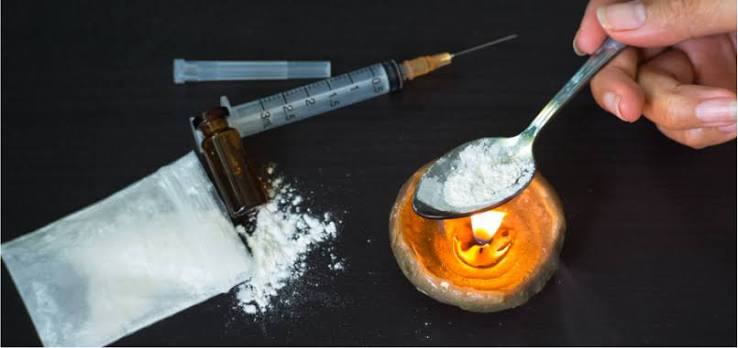
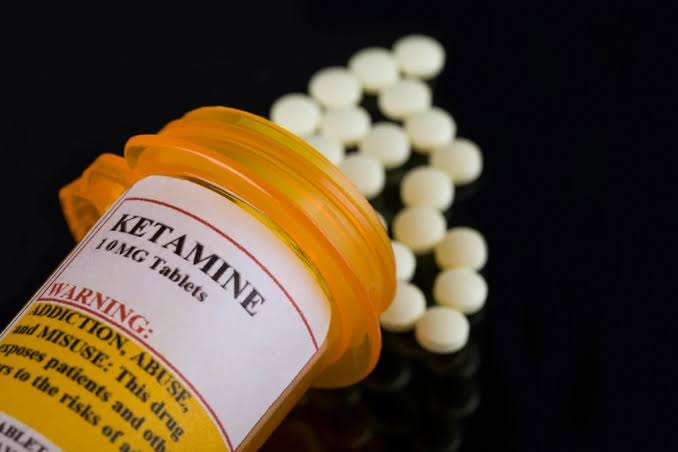
Ketamine is available in both powder and liquid form. Occasionally it can be found in tablet form.
As a white or (sometimes) brown powder, it can and is regularly snorted or inhaled by young users.
How is Ketamine used?
Ketamine can be mixed with water and injected.
- Ketamine is often snorted/inhaled.
- Ketamine in clear liquid form can be placed in drinks.
- Ketamine can be added to cigarettes or dipped.
- Ketamine is sometimes used with other drugs.
Ketamine Overdose
A ketamine overdose can cause serious and potentially life-threatening complications. Symptoms may include numbness, severe confusion, loss of coordination, difficulty moving, and loss of consciousness. In severe cases, ketamine can slow or suppress breathing, leading to respiratory failure and potentially death.
Furthermore, combining ketamine with other central nervous system depressants, such as alcohol, benzodiazepines, or opioids, significantly increases the risk of dangerous sedation, loss of consciousness, breathing difficulties, and collapse.
Emergency warning: If you suspect a ketamine overdose, seek emergency medical assistance immediately. Do not leave the person alone or assume they will recover without medical attention.
Common withdrawal symptoms
- Increased Heart Rate
- Anxiety
- Faster than usual breathing
- Delayed or uncoordinated motor skills
- Hearing Loss
- Depression
- Suicidal thoughts
Diagnosing Substance Use Disorder
Dr Rasyid explains that clinicians should consider all eleven diagnostic criteria when assessing substance use disorder in teenagers and young adults. He also recommends that concerned parents, family members, or young people seek an assessment from a specialist in adolescent psychiatry.
The Diagnostic and Statistical Manual of Mental Disorders, Fifth Edition (DSM-5), published by the American Psychiatric Association in 2013, outlines eleven criteria for identifying substance use disorder. Clinicians use the number of criteria a person meets to determine the severity of the condition:
- Mild: Two or three criteria.
- Moderate: Four or five criteria.
- Severe: Six or more criteria.
A qualified healthcare professional should conduct the assessment and consider the individual’s circumstances, symptoms, and pattern of substance use before making a diagnosis.
Understanding Substance Use Disorder: A Simple Guide
We have simplified the eleven diagnostic criteria to help parents, teenagers, and young adults recognise some of the common warning signs of substance use disorder.
- Using more than intended: Taking larger amounts of a substance or using it for longer than originally planned.
- Difficulty stopping: Wanting to reduce or quit substance use but struggling to do so.
- Neglecting responsibilities: Allowing substance use to interfere with relationships and responsibilities at school, home, or work.
- Losing interest in activities: Abandoning hobbies, sports, social events, or other activities that once brought enjoyment.
- Struggling with daily tasks: Finding it increasingly difficult to complete responsibilities at home, school, or work.
- Continuing despite negative consequences: Carrying on using a substance even when it causes problems with family, friends, education, employment, or health.
- Taking unnecessary risks: Using substances in situations that could endanger personal safety or the safety of others.
- Developing tolerance: Needing increasingly larger amounts to experience effects that previously required less.
- Experiencing withdrawal: Developing physical or psychological symptoms when substance use stops or decreases.
- Experiencing cravings: Having strong urges or persistent thoughts about using the substance between episodes of use.
- Developing health problems: Continuing substance use despite physical or psychological difficulties that it causes or worsens.
When Does Ketamine Use Become a Serious Concern?
Ketamine use among teenagers and young adults can develop into a serious problem, particularly when someone uses it repeatedly or struggles to control their intake. Furthermore, combining ketamine with alcohol or other drugs can increase the risk of dangerous health complications.
The appropriate level of treatment depends on the individual’s symptoms, substance-use history, overall health, and support needs. While some young people may benefit from outpatient counselling and specialist support, others may require more intensive care, including residential treatment. A qualified addiction specialist should assess each person and recommend the most suitable approach.
