Uncategorized
Everything you need to know about DMT
Nov
Everything you need to know about DMT, DMT (N,N-Dimethyltryptamine) is a naturally occurring psychedelic compound belonging to the tryptamine family. It occurs in several plant species, including Psychotria viridis, also known as Chacruna. Due to the intensity and unusual nature of the experiences it can produce, some people refer to DMT as the “spirit molecule.”
What Is DMT and How Does the Law Classify It?
Although DMT (N,N-Dimethyltryptamine) is less widely known than psychedelics such as LSD and magic mushrooms, it can produce an extremely intense psychedelic experience. Users may experience vivid visual and auditory hallucinations, significant changes in perception, and an altered sense of reality. These effects generally last for a relatively short period, although their intensity can be considerable.
DMT’s Legal Status in the United States
In the United States, the Controlled Substances Act classifies DMT as a Schedule I controlled substance. Consequently, federal law generally prohibits people from manufacturing, purchasing, possessing, or distributing it outside authorised circumstances.
Schedule I classification reflects the federal government’s position that a substance has a high potential for abuse, no currently accepted medical use under federal law, and no accepted level of safety for use under medical supervision.
DMT Research and Scientific Studies
Despite these restrictions, researchers can study DMT through specific regulatory procedures. However, they must obtain the appropriate approvals and registrations, including authorisation from the Drug Enforcement Administration (DEA) and approval from the Food and Drug Administration (FDA), where required.
DMT in Spiritual and Religious Practices
Despite its controlled status, some communities continue to associate DMT-containing plants and preparations with spiritual or religious traditions. In certain cultural settings, people use them during ceremonies in pursuit of personal reflection, spiritual connection, or a sense of awakening.
Nevertheless, these experiences can vary significantly, and claims about spiritual or therapeutic benefits should not be confused with established medical evidence.
Fast Facts About DMT
Here are some important facts about DMT. For a deeper explanation and additional supporting information, see the main article.
- People have used DMT for thousands of years, particularly in traditional religious and spiritual ceremonies.
- In South America, some Indigenous communities incorporate DMT-containing plants into shamanic rituals.
- DMT can produce intense psychedelic effects, including powerful visual and auditory hallucinations.
- Because of its intense and unusual effects, some people refer to DMT as the “spirit molecule.”
What Is DMT, and How Does It Affect the Brain?
DMT (N,N-Dimethyltryptamine) is a naturally occurring psychedelic compound found in certain plant species across regions of Mexico, South America, and Asia. For example, it occurs in Psychotria viridis, a plant traditionally associated with ayahuasca preparations. Historically, some Indigenous communities have also used plants such as Piptadenia peregrina to prepare cohoba, a traditional psychoactive substance.
How DMT Enters the Body
People have used DMT in several ways, including:
- Smoking or vaporising it.
- Consuming it orally in traditional preparations such as ayahuasca.
- Using less common routes of administration, including snorting or injection.
DMT’s Chemical Structure and Effects on the Brain
DMT shares certain structural features with sumatriptan, a medication used to treat migraines. However, the two substances have different medical uses and effects. Everything you need to know about DMT
At the neurological level, DMT interacts with several serotonin receptors. In particular, it acts as an agonist at the serotonin 5-HT2A receptor, which plays an important role in its psychedelic effects.
Serotonin is a neurotransmitter that helps regulate communication between brain cells. It also influences several important functions, including mood, perception, sleep, and other aspects of brain activity.
Does the Human Body Produce DMT?
Some scientific research suggests that the human body may produce DMT naturally, a process known as endogenous production. However, researchers have not yet established exactly where or how the body produces it. The pineal gland has attracted particular attention, although its role in DMT production remains uncertain.
How Long Do DMT’s Effects Last?
The duration and intensity of DMT’s effects can vary depending on the preparation, route of exposure, and individual factors. Smoked or vaporised DMT generally produces rapid and intense effects, while traditional preparations such as ayahuasca tend to have a longer-lasting effect.
Ayahuasca contains additional plant compounds that influence how the body processes DMT. Consequently, its effects differ considerably from those associated with inhaled DMT. Researchers continue to study these differences and the factors that influence the timing and duration of the experience.
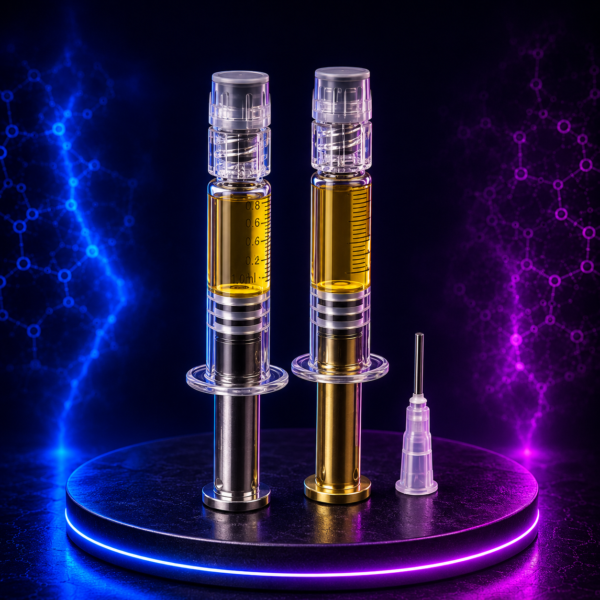
DMT street names
A number of slang terms exist for DMT:
The History of DMT
Ancient Cultural and Religious Traditions
DMT has a long history that stretches back thousands of years. Indigenous communities in different parts of the world have incorporated DMT-containing plants into traditional religious and spiritual ceremonies. For example, historical evidence suggests that people in Trinidad used these plants before Spanish colonists arrived.
DMT also plays a central role in ayahuasca, a traditional psychoactive brew that originated among Indigenous communities in South America. For generations, some communities have used ayahuasca in ceremonies associated with spirituality, healing, and cultural traditions.
Modern Recreational and Spiritual Use
Today, some people use DMT recreationally because of its powerful psychedelic and hallucinogenic effects. Others describe seeking personal reflection or spiritual insight through the experiences it produces.
Interestingly, scientific research has explored similarities between certain DMT experiences and near-death experiences. However, researchers have not established that these experiences are identical or that DMT reproduces every aspect of a near-death experience.
DMT Use and Microdosing Trends
The 2021 Global Drug Survey examined patterns of DMT use among its respondents. The report found that 7.4% said they had tried microdosing DMT. Microdosing generally refers to taking very small amounts of a psychoactive substance, although claims that it reliably improves creativity, insight, or concentration require further scientific evidence.
Furthermore, 8.9% of respondents reported having used DMT at some point in their lives, while 4.3% reported using it within the previous year.
These figures offer insight into the experiences of survey participants. However, they do not represent the entire global population, and researchers should interpret comparisons with other substances carefully. Although the report provides information about patterns of DMT use, it does not establish that use has increased uniformly across all countries or age groups.
DMT vs. Ayahuasca: What Are the Differences?
Ayahuasca is a traditional psychoactive drink that Indigenous communities in South America have used for generations in cultural and religious ceremonies. DMT is one of its main psychoactive compounds. However, ayahuasca contains additional plant compounds that influence how the body processes DMT and shape the overall experience.
Although both involve DMT, they differ in several important ways:
- Composition: DMT refers to a single chemical compound, whereas ayahuasca combines several plant ingredients and their naturally occurring compounds.
- Effects and intensity: DMT can produce an intense psychedelic experience. Ayahuasca produces a different range of effects because its other compounds influence how DMT acts in the body.
- Duration: The additional compounds in ayahuasca can change the onset and duration of its effects compared with DMT alone.
- Health risks: Both can cause significant physical and psychological effects. However, their risks vary depending on the preparation, individual health factors, and other substances or medications involved. Neither should be considered harmless or inherently less toxic than the other.
Side Effects of DMT
DMT primarily affects the mind and perception. It can produce intense visual and auditory hallucinations, feelings of euphoria, and significant changes in how a person experiences their body, surroundings, and sense of time.
Furthermore, some users describe their experiences as deeply emotional or life-changing. Their accounts sometimes include vivid encounters with unfamiliar beings, often called “DMT elves” or “machine elves,” as well as powerful shifts in their sense of identity and understanding of reality. However, these descriptions reflect personal experiences rather than scientifically verified encounters.
When someone smokes or vaporises DMT, the psychedelic effects can begin rapidly and feel extremely intense, even though they usually last for a relatively short period. Some users describe the experience as entering another world or experiencing something similar to a near-death experience.
Although some DMT users claim that the substance causes fewer side effects than other psychedelics, researchers cannot easily confirm this. Side effects vary between individuals, and limited evidence makes it difficult to establish reliable comparisons of safety and toxicity.
Possible side effects of DMT include:
- increased heart rate
- increased blood pressure
- chest pain or tightness
- agitation
- dilated pupils
- rapid rhythmic movements of the eye
- dizziness
- DMT Experiences Vary Between Individuals
- The effects of DMT can differ significantly from one person to another. While some individuals describe the experience as exciting or fascinating, others find it overwhelming, frightening, or deeply distressing.
- Furthermore, DMT can produce such intense changes in perception that some users struggle to understand or make sense of the experience afterwards. Because certain effects may resemble aspects of a near-death experience, some individuals may find the experience emotionally disturbing or traumatic.
- In addition, psychological effects do not always disappear when the immediate psychedelic experience ends. Some people report lingering emotional or mental effects for several days or weeks, although the duration and intensity vary from person to person.
Risks and Potential Complications of DMT
DMT interacts with the brain’s serotonin system, which plays an important role in regulating mood, perception, and other functions. Consequently, combining DMT with certain medications or other substances that affect serotonin may increase the risk of serotonin syndrome, a potentially life-threatening condition.
People who take antidepressants or other serotonin-affecting medications should be particularly cautious. However, the level of risk depends on the specific substances involved, and individuals should seek advice from a qualified healthcare professional about potential interactions.
What Is Serotonin Syndrome?
Serotonin syndrome occurs when excessive serotonin activity builds up in the body, usually because of certain medications or drug combinations. The risk can increase when someone combines multiple substances that affect serotonin levels.
Furthermore, serotonin syndrome can cause a range of symptoms, from mild reactions to severe medical complications. Recognising its warning signs and seeking prompt medical attention are essential
Too much serotonin in the body can lead to a range of symptoms, such as:
If left untreated, serotonin syndrome can lead to severe, potentially life-threatening complications. These may include seizures, kidney failure, breathing difficulties, and muscle tissue damage. Prompt medical attention is essential to prevent serious consequences.
Other Potential Complications of DMT
DMT can pose several health risks, including intense and frightening hallucinations and the possibility of developing problematic patterns of use. In severe cases, particularly during an adverse reaction or overdose, complications may include:
- Seizures
- Respiratory arrest
- Coma
DMT may also present additional psychological risks for people with pre-existing mental health conditions. For example, individuals with schizophrenia or other serious psychiatric disorders may be more vulnerable to adverse psychological effects.
Although research suggests that DMT has a relatively low potential for addiction, this does not mean it is risk-free. Repeated exposure may lead to tolerance, meaning a person may experience reduced effects over time. However, the evidence on DMT tolerance and dependence remains limited, and its long-term effects require further research.
Harm Reduction
Because DMT remains illegal in many places, people may struggle to find accurate, trustworthy information about its risks and safety. Furthermore, healthcare professionals may have limited experience with the substance, so individuals should not assume that they can make its use safe by following informal advice.
To reduce the risk of serious harm, consider these important precautions:
- Avoid using DMT without qualified medical guidance. An experienced user or practitioner cannot guarantee a safe experience or prevent serious complications.
- Do not assume that a smaller amount is safe. DMT can cause unpredictable psychological and physical reactions, even when someone expects mild effects.
- Avoid combining DMT with other drugs or medications. Such combinations may increase the risk of dangerous interactions.
- Avoid DMT if you have a history of serious mental health conditions, particularly psychosis or dissociative disorders, as it may worsen psychological symptoms.
Ultimately, the safest way to avoid DMT-related complications is not to use the substance. Anyone concerned about its effects or possible medication interactions should seek advice from a qualified healthcare professional.
Summary: Understanding DMT and Its Potential Risks
DMT is a powerful psychedelic substance that can significantly change a person’s perception, consciousness, and sensory experiences. While some individuals describe these experiences as meaningful, transformative, or life-changing, others find them frightening, overwhelming, or psychologically distressing.
Important Safety Considerations
Anyone researching DMT should understand its potential risks and seek reliable, evidence-based information. Furthermore, combining DMT with other substances or using it without appropriate medical support can increase the risk of serious complications. Harm-reduction information can help people understand these dangers, but it cannot eliminate them.
What Does the Research Say?
Although scientists continue to investigate DMT and its possible therapeutic applications, research remains limited. Some early findings have raised questions about potential benefits; however, researchers need stronger clinical evidence before they can confirm those effects.
Ultimately, DMT’s potential benefits remain experimental rather than scientifically established. Anyone considering its effects should weigh the uncertainty and significant health risks carefully.
